
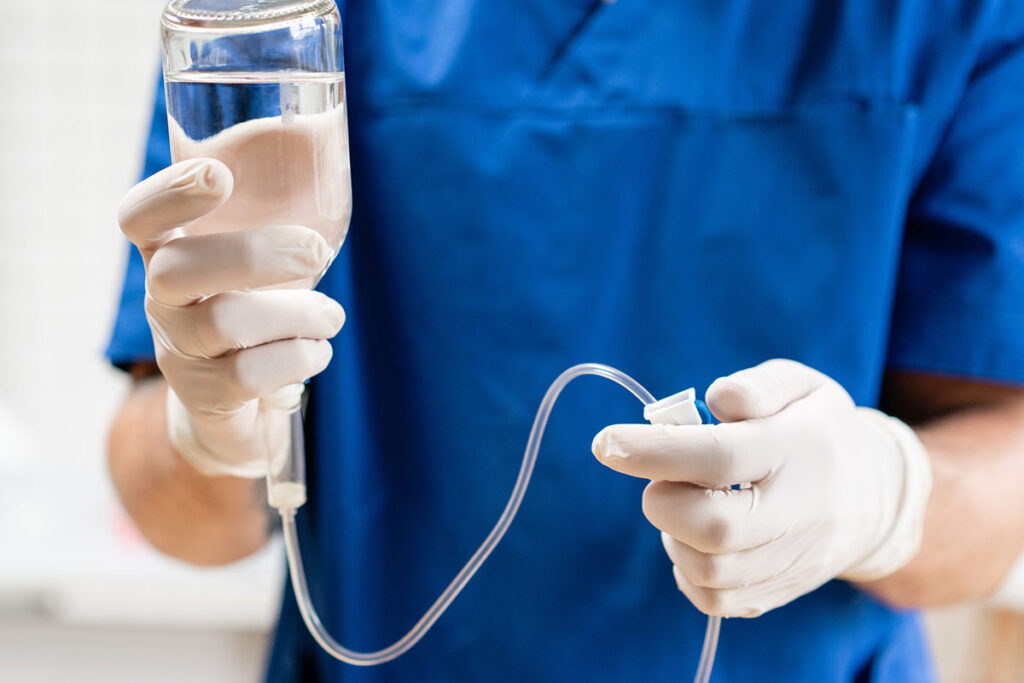
What Healthcare Providers Need to Know About Plasmapheresis and Plasma Exchange
Specialty therapies such as plasmapheresis and plasma exchange are essential tools for managing complex conditions, including autoimmune, neurological, and hematologic disorders. Despite their widespread use, uncertainty persists regarding terminology, procedural differences, and operational considerations.
Plasmapheresis and plasma exchange are related but distinct procedures, and understanding the difference matters for clinical decision-making.
Plasmapheresis broadly refers to the separation of plasma from whole blood. In therapeutic settings, plasma is removed to eliminate pathogenic antibodies, proteins, or other circulating factors.
Plasma exchange, a specific form of therapeutic plasmapheresis, goes a step further by replacing the removed plasma with a substitute—such as albumin or donor plasma—to maintain intravascular volume and physiologic balance.
Understanding these distinctions is critical for health systems, infusion centers, and specialty partners coordinating patient care.
Plasmapheresis
Plasmapheresis is a blood filtration procedure used to separate plasma from whole blood. During the procedure, blood is drawn from the patient and passed through an apheresis system that isolates plasma from cellular components—red blood cells, white blood cells, and platelets—which are then returned to circulation.
On its own, plasmapheresis refers to plasma collection and separation, not plasma replacement. This process underpins multiple therapeutic applications and is most commonly associated with situations where removing circulating plasma components supports longer-term immune modulation or disease management.
Therapeutic Plasma Exchange (TPE)
Therapeutic plasma exchange, also called TPE, is a clinical intervention that uses plasmapheresis as its first step. After plasma is separated and removed, it is actively replaced with donor plasma or an approved plasma substitute, restoring intravascular volume while rapidly reducing pathogenic substances.
TPE is typically deployed in acute or high-risk clinical scenarios, where rapid removal of antibodies, immune complexes, or inflammatory mediators is critical to patient stabilization. A single session can eliminate up to 70% of circulating antibodies, delivering immediate therapeutic impact.
The TPE process involves delivering therapy through advanced apheresis platforms such as Terumo BCT Spectra Optia or Fresenius Kabi COM.TEC to support precision, safety, and consistency.
Key indications: thrombotic thrombocytopenic purpura, severe autoimmune encephalitis, and acute neurological or hematologic crises.
Operational considerations for partners:
- Coordinating care in ambulatory infusion centers or hospital-based settings.
- Ensuring real-time patient eligibility verification and monitoring.
- Aligning with specialty pharmacy partners for therapy scheduling, clinical support, and regulatory compliance.
California Specialty Pharmacy, an Acelpa Health Company, has four ambulatory infusion centers that can coordinate these complex treatments for outpatient care.
Comparing Plasmapheresis and TPE
| Plasmapheresis | Therapeutic Plasma Exchange (TPE) | |
| What is it? | The technical process of separating plasma from whole blood | A clinical intervention that uses plasmapheresis and replaces the removed plasma |
| Primary role | Enables plasma removal and collection | Delivers therapeutic benefit through plasma removal and replacement |
| Purpose | Plasma separation for diagnostic, collection, or therapeutic use | Rapid reduction of pathogenic antibodies, proteins, or immune complexes |
| Plasma replacement | Not inherent to the process | Required; donor plasma or albumin-based solutions |
| Typical session | ~2–3 hours (process-dependent) | ~2–4 hours per session; often performed as a series |
| Clinical application | Component of broader therapies, including TPE | Acute or high-risk conditions requiring immediate intervention |
| Therapeutic effect | No independent therapeutic effect without replacement | Immediate, clinically meaningful impact; often time-sensitive |
| Operational considerations | Equipment readiness, trained staff, workflow integration | Real-time eligibility verification, replacement fluid management, intensive clinical monitoring |
Clinical Applications
Therapeutic plasma exchange (TPE) is particularly effective for autoimmune diseases where circulating antibodies drive pathology. By rapidly removing these harmful antibodies, TPE provides timely intervention during acute exacerbations, helping prevent permanent tissue or organ damage.
Effective programs rely on coordinated scheduling, reliable vascular access, and a consistent supply of replacement fluids to ensure treatments are delivered without delay, supporting seamless care for patients with complex autoimmune conditions.
Neurologic Conditions and Multiple Sclerosis
Antibody-mediated neurologic disorders, such as myasthenia gravis, chronic inflammatory demyelinating polyneuropathy (CIDP), and stiff person syndrome, often respond well to plasma exchange. In multiple sclerosis, relapses unresponsive to steroids may benefit from TPE, with studies indicating 40–50% of patients with severe exacerbations experience meaningful improvement.
Operationally, delivering these therapies requires integration across infusion sites, clinical teams, and specialty pharmacies to maintain treatment schedules, monitor outcomes, and support multi-session protocols safely and efficiently.
Thrombotic Thrombocytopenic Purpura (TTP)
TTP is a life-threatening condition marked by widespread microvascular blood clots. Daily plasma exchange removes pathogenic antibodies while replacing deficient enzymes through donor plasma, with treatment continuing until platelet counts stabilize. Missing even a single session during acute TTP can have critical consequences.
Ensuring uninterrupted therapy requires careful coordination of supply chains for essential fluids, replacement solutions, and emergency medications, as well as real-time monitoring of patient eligibility and access across infusion centers and ambulatory sites.
Equipment and Monitoring
Modern machinery reflects decades of engineering innovation. Blood is drawn through specialized tubing into an apheresis system, where centrifugal force or membrane filtration separates plasma from cellular components. This precise separation allows removal of plasma while preserving red and white blood cells and platelets.
Leading devices, such as the Asahi Kasei Plasauto Sigma and Baxter Prismaflex TPE system, feature automated protocols that adjust flow rates based on patient parameters. Continuous monitoring of pressures, flow, and plasma quality ensures safe, efficient procedures. Built-in sensors detect irregularities in real time—any changes in flow or pressure trigger alerts for the medical team.
Separation relies on either centrifugal or membrane technology. Centrifugal systems spin blood to layer components by density, while advanced filter sets maintain consistent efficiency. Service providers support ongoing maintenance to optimize performance.
CSP’s URAC and ACHC-accredited infusion centers provide 24/7 technical support, ensuring uninterrupted, high-quality infusion care.
Replacement Fluid and Vascular Access Considerations
Plasma exchange therapy involves carefully coordinated decisions around both the fluids used to replace plasma and the type of vascular access required. These choices directly impact treatment effectiveness, patient safety, and overall program efficiency.
Replacement Fluid Selection
The choice of replacement fluid directly affects treatment efficacy and cost management. Fresh frozen plasma (FFP) provides all plasma proteins, clotting factors, and immunoglobulins, making it appropriate for conditions requiring factor replacement. Albumin solutions support oncotic pressure without introducing foreign proteins or increasing transfusion risk, offering a safer alternative in specific clinical scenarios.
Vascular Access Requirements
Effective plasma exchange depends on reliable vascular access. Central line catheters accommodate high flow rates (typically 50–100 mL/min) for efficient plasma removal.
Peripheral access may be suitable for some patients but requires veins capable of tolerating repeated needle sticks. Central lines offer consistent access for multi-session therapies but carry infection and thrombosis risks.
California Specialty Pharmacy leverages partnerships with suppliers to maintain reliable availability of FFP and albumin solutions. By combining clinical expertise with contracting strategies and 340B program insights, CSP helps payor-aligned programs manage costs while ensuring safe, uninterrupted treatment delivery.
Program Optimization and Partner Considerations
Effective plasmapheresis and therapeutic plasma exchange (TPE) programs rely on streamlined coordination between clinical teams, supplier networks, and health system stakeholders. When these elements align, organizations are better equipped to deliver timely, high-quality care and support patients with complex, rapidly evolving conditions.
Key Factors Influencing Cost and Efficiency
Replacement fluid selection and vascular access approaches significantly affect the cost and throughput of TPE services. Reliable supply partnerships—including access to fresh frozen plasma, albumin, and essential disposables—play a central role in maintaining uninterrupted care. For health systems participating in contracting strategies or 340B programs, thoughtful product selection can also help manage the overall cost of care while supporting clinical consistency.
Workflow Alignment Across Care Settings
Because many TPE cases require rapid intervention, health systems benefit from clear workflows that support fast eligibility verification, flexible scheduling, and real-time communication between clinical teams.
Integrated data systems and consistent documentation practices further support efficiency and regulatory alignment without disrupting patient care.
Maximizing Impact in Specialty Infusion Programs
A deep understanding of plasmapheresis and therapeutic plasma exchange allows healthcare teams to deliver complex therapies efficiently and effectively. While the procedures share core principles, successful execution relies on precise equipment, dependable supply chains, and coordinated clinical expertise.
California Specialty Pharmacy brings these elements together—partnering with health systems, specialty providers, and payors to ensure seamless therapy delivery, optimized outcomes, and reduced operational friction.
Partner with CSP to enhance your infusion program today. Our ambulatory infusion centers, home-infusion capabilities, and strategic specialty partnerships provide the operational and clinical support needed to expand your access, maintain compliance, and drive measurable program success.
Frequently Asked Questions (FAQ):
What conditions are commonly treated with plasmapheresis?
Plasmapheresis effectively treats various autoimmune and neurological conditions, including myasthenia gravis, Guillain-Barré syndrome, chronic inflammatory demyelinating polyneuropathy, multiple sclerosis relapses, and certain kidney disorders. The treatment works by removing disease-causing antibodies and immune complexes from the bloodstream.
Are there any side effects or risks associated with plasmapheresis?
Common side effects include temporary symptoms like tingling around the mouth or fingers, lightheadedness, nausea, or fatigue. More serious but rare complications can include allergic reactions to replacement fluids, low blood pressure changes, or bleeding at the catheter site. Trained infusion nurses continuously monitor vital signs throughout treatment.
How can infusion centers optimize the delivery of plasmapheresis or TPE?
Centers can optimize therapy by coordinating schedules, ensuring reliable vascular access, and maintaining a consistent supply of replacement fluids. Close collaboration with specialty providers and clinical teams supports timely treatment, smooth therapy flow, and improved operational efficiency while maintaining high standards of patient care.
What logistical considerations impact plasma exchange programs?
Key considerations include vascular access type, replacement fluid selection, and therapy frequency. Effective programs also require patient eligibility verification, coordination across infusion sites and clinical teams, and careful monitoring of inventory and workflow to ensure timely, safe, and efficient plasma exchange delivery.
References:
- Cleveland Clinic, 2025. Plasmapheresis & plasma exchange.
https://my.clevelandclinic.org/health/treatments/24197-plasmapheresis-plasma-exchange - DB Plasma, 2025. What is the difference between plasmapheresis and plasma exchange?
https://dbplasma.com/what-is-the-difference-between-plasmapheresis-and-plasma-exchange/ - HemaWare, 2025. Plasmapheresis vs. therapeutic plasma exchange.
https://hemaware.org/taking-charge/plasmapherisis-vs-therapeutic-plasma-exchange - Weiner, J., 2019. Therapeutic plasma exchange: An overview. PMC.
https://pmc.ncbi.nlm.nih.gov/articles/PMC6827054/
Legal Disclaimer:
The content provided on this blog is for informational purposes only and is not intended to serve as medical advice, diagnosis, or treatment. While we make every effort to provide accurate and up-to-date information, the details shared here should not be considered a substitute for professional medical consultation or advice.
By accessing this blog, you agree to hold harmless the author, publisher, and any associated parties from any claims, liabilities, or damages arising from the use or interpretation of this content.
©2026 California Specialty Pharmacy, LLC. All rights reserved.